SPECIAL PROCESSING CASES
Special Processing
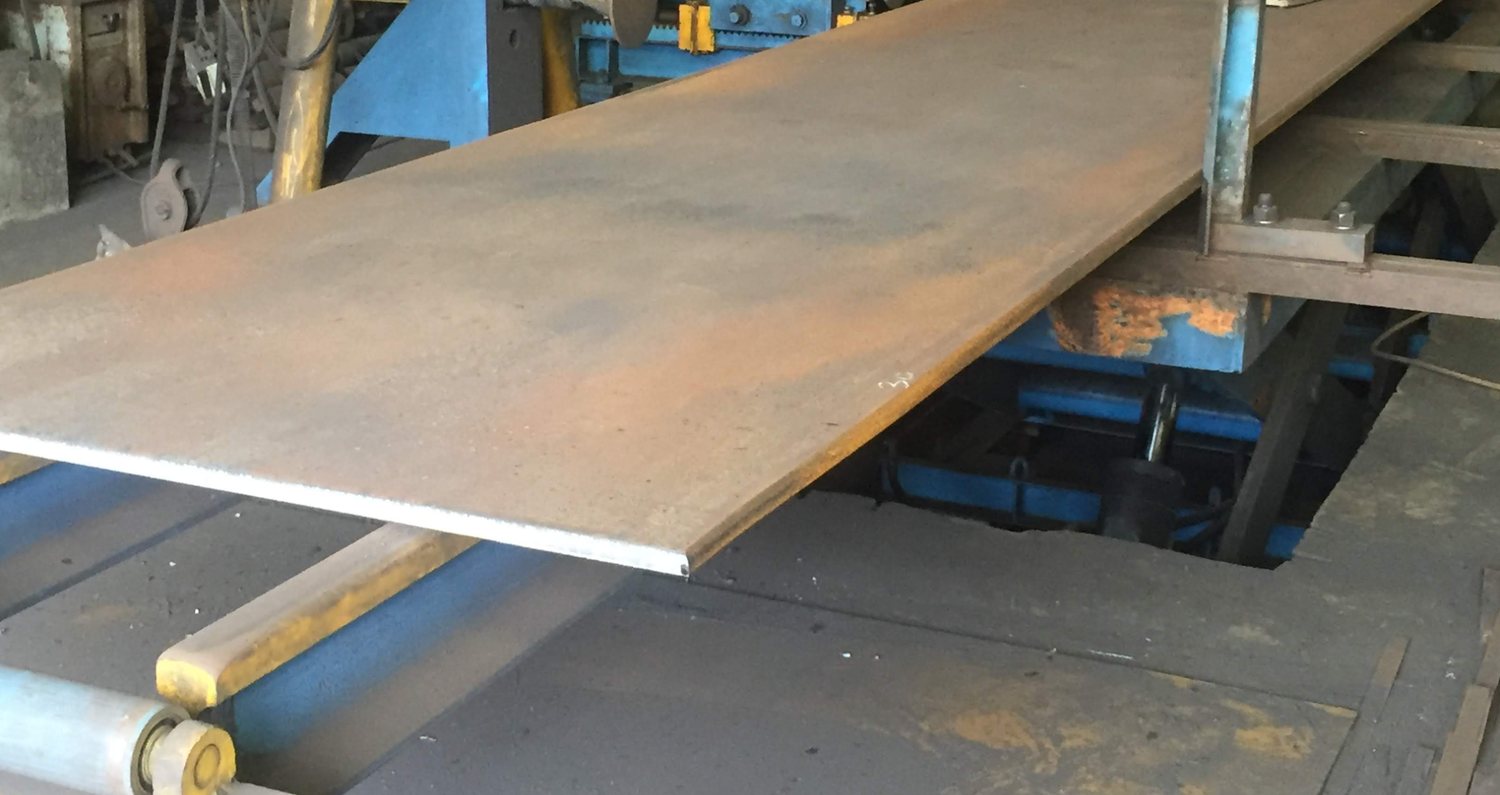
Five selected high-difficulty material cases with before-and-after photo groups show on-site handling differences and results.
CASE 01
Deformed Coil / Heavy-Gauge Handling
18mm Deformed Steel Coil
For 18mm coils with deformation, feeding and leveling stability are handled first before cutting usable products.
Before Processing2 photos, auto slideshow
CASE 02
Loose After Unloading / Stainless Steel Coil
10mm Loose Stainless Steel Coil
A 10mm stainless steel coil loosened during unloading can still be evaluated for processing and cutting.
Before Processing2 photos, auto slideshow
After Processing2 photos, auto slideshow
CASE 03
Rejected Material / Extra-Thick Slab Coil
28–37mm Rejected Slab Coil
A Chung Hung Steel rejected slab coil case, approx. 28–37mm thickness and 900–1500mm width; the key processing considerations are weight, thickness, and material condition.
Before Processing3 photos, auto slideshow
After Processing2 photos, auto slideshow
CASE 04
Extra-Thick / Deformed Material
Deformed Extra-Thick Slab Coil
The difficulty lies in poor coil shape, high weight, and high thickness, requiring processing adjustments based on on-site conditions.
Before Processing2 photos, auto slideshow
After Processing3 photos, auto slideshow
CASE 05
Approx. 20-Ton Coil / High-Difficulty Cutting
High-Difficulty Processing of Chung Hung Rejected Slab Coil
Coil thickness approx. 28–35mm, width approx. 970–1250mm, weight approx. 20 tons; processed into large-size heavy plates.
Before Processing4 photos, auto slideshow
After Processing4 photos, auto slideshow