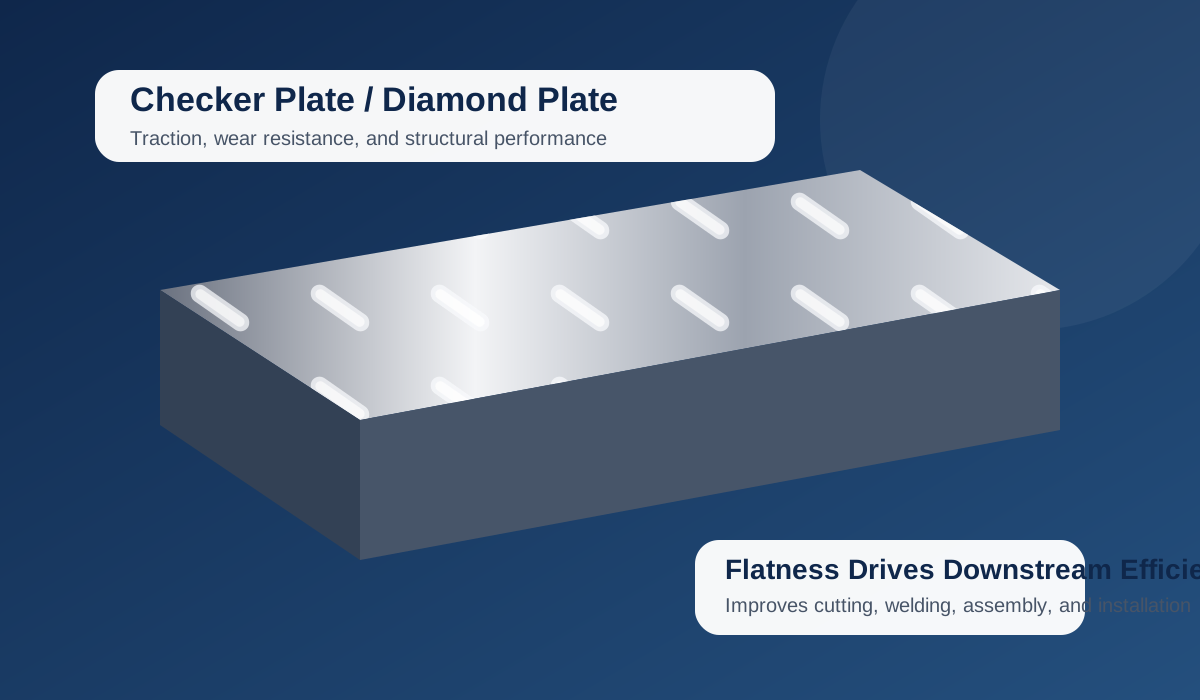
What is checker plate?
Checker plate, also called floor plate or diamond plate, has raised patterns that improve grip. It is widely used for factory walkways, stairs, work platforms, vehicle floors, machinery bases, warehouses and industrial facilities.
Why demand remains steady
Demand is driven by safety, maintenance, vehicle bodies, factory construction and infrastructure. It is not a fashion-driven material: new projects, equipment expansion and replacement of worn platforms all create recurring demand.
Tokyo Steel material versus embossed hot-rolled steel
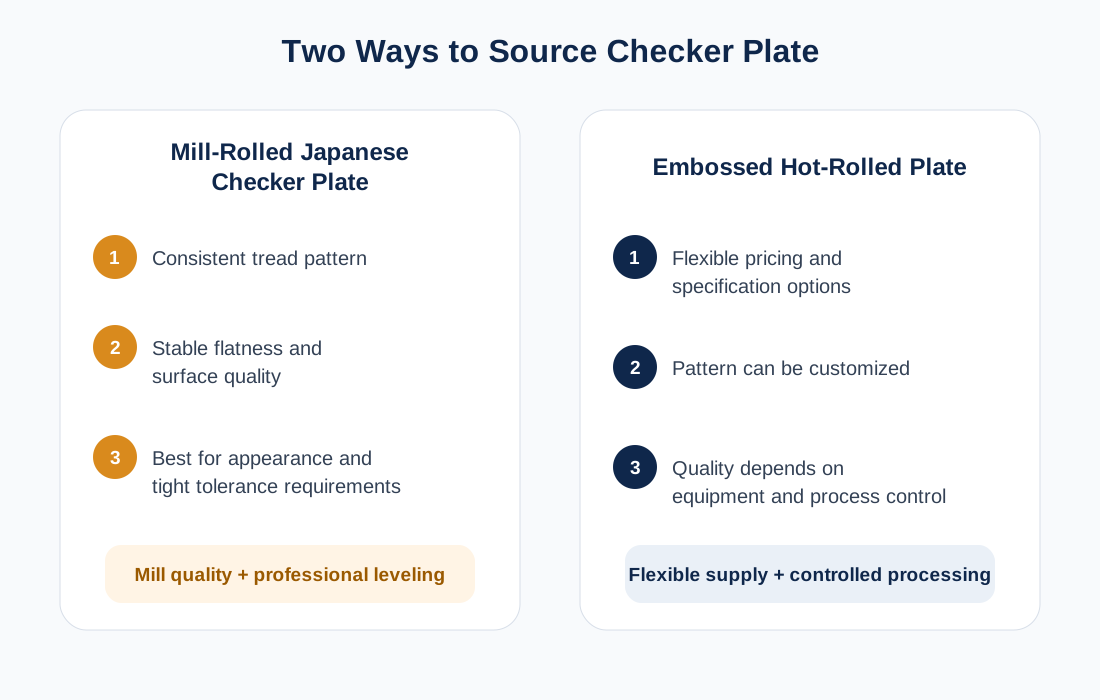
RUIJI has experience processing Tokyo Steel checker plate. Mill-produced Japanese material can offer strong pattern consistency, surface quality and stable plate shape. Ordinary hot-rolled steel can also be embossed, providing cost, lead-time and size flexibility for general engineering applications.
RUIJI’s processing advantage
Good material quality must be matched by proper leveling and cutting. Tokyo Steel checker plate is already well made, and with suitable leveling RUIJI can produce very flat sheets, helping downstream welding, assembly and installation.
Why flatness matters
Flatness affects cutting, welding, bending, fastening, platform installation and finished appearance. Checker plate requires careful pressure control because the raised pattern must be preserved while wave and curl are reduced.
REAL PROCESSING PHOTOS
19mm heavy plate cutting products
Heavy plate cutting depends on flatness, diagonal accuracy and stability after stacking. This is an actual RUIJI finished-product example.
View the 19mm plate photo case →
Embossed hot-rolled plate remains competitive
It is often the better choice when cost, availability or custom dimensions matter more than premium surface consistency. The right selection depends on end use rather than brand alone.
Need checker plate leveling or cutting?
Send material grade, thickness, width, weight, pattern photos and target dimensions for review.
Contact RUIJI